
 English
 Portugues
 Pусский
 Français
 العربية
 ไทย
ไทย Indonesia
 Melayu
 Tiếng Việt
 中文
中文 қазақ
қазақ עִברִית
 မြန်မာ
 Filipino
 o'zbek
 Кыргызча
 тоҷикӣ
 ខ្មែរ
ខ្មែរ Türkmenler


Seawater Desalination Plant
A seawater desalination plant is a facility designed to convert seawater into fresh water that is safe for human use. It plays an increasingly important role in regions where natural freshwater resources are limited, rainfall is scarce, and population growth places pressure on existing water supplies. By removing salt, minerals, and other impurities from seawater, the plant provides a reliable source of potable water for cities, industries, and agricultural activities.The process begins with seawater intake. Large pumps draw seawater from the ocean through intake structures that are carefully designed to reduce the entry of sand, marine life, and floating debris. Before treatment, the incoming water usually passes through screens and pretreatment systems. These systems remove larger particles, suspended solids, algae, and organic matter. Pretreatment is essential because it protects the main desalination equipment and improves the overall efficiency of the plant.The most common desalination method used today is reverse osmosis. In this process, seawater is pushed at high pressure through semi-permeable membranes. These membranes allow water molecules to pass while rejecting dissolved salts and many other contaminants. As a result, fresh water is separated from concentrated brine. The purified water then undergoes post-treatment, which may include pH adjustment, remineralization, and disinfection. These steps improve water quality, stabilize the water for distribution, and ensure it is suitable for drinking.Another important part of the plant is the brine disposal system. The leftover concentrated saltwater must be managed carefully to minimize environmental impact. Modern plants often use diffusers and controlled discharge methods to return the brine to the sea in a way that reduces harm to marine ecosystems. Environmental monitoring is often conducted to track salinity, temperature, and potential effects on local water quality.Energy consumption is one of the main challenges of desalination. Because reverse osmosis requires high pressure, seawater desalination plants use a significant amount of electricity. To improve efficiency, many plants incorporate energy recovery devices that capture and reuse pressure from the outgoing brine. Some facilities also integrate renewable energy sources such as solar or wind power to reduce operating costs and carbon emissions.Seawater desalination plants are highly valuable in coastal areas and island communities where freshwater is difficult to obtain. They provide water security during droughts and help support economic development. However, they must be carefully designed and operated to balance water production with environmental protection and energy efficiency. As technology continues to improve, seawater desalination is expected to become an even more important solution for global water shortages.
ຜະລິດຕະພັນ
ການຈັດປະເພດ:
-
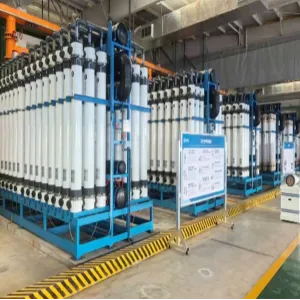
Seawater Desalination Plant & Large-Scale Project Construction
ປະເພດ: Large-Scale Seawater Desalination Projectsທັດສະນະ: 52ເລກລໍາດັບ:ເວລາປ່ອຍ: 2026-09-21 21:41:04We provide seawater desalination plant solutions for large-scale water supply and industrial applications. Our services cover project planning, system design, equipment manufacturing, installation, commissioning, and technical support. Each desalination system is customized according to seawater quality, capacity requirements, site conditions, and treated water standards for reliable long-term operation.
ຂ່າວ
ການຈັດປະເພດ:
ບໍ່ມີຜົນການຊອກຫາເທື່ອ!
ກໍລະນີ
ການຈັດປະເພດ:
ບໍ່ມີຜົນການຊອກຫາເທື່ອ!
ວິດີໂອ
ການຈັດປະເພດ:
ບໍ່ມີຜົນການຊອກຫາເທື່ອ!
ດາວໂຫຼດ
ການຈັດປະເພດ:
ບໍ່ມີຜົນການຊອກຫາເທື່ອ!
ການຮັບສະໝັກ
ການຈັດປະເພດ:
ບໍ່ມີຜົນການຊອກຫາເທື່ອ!
ຜະລິດຕະພັນທີ່ແນະນໍາ
ບໍ່ມີຜົນການຊອກຫາເທື່ອ!



 ໂທລະສັບ